Prof. Dr. Jens Hadler, President of the German Boxing Association (DBV), takes stock of the Olympic Games in Paris – and shares his views on the future of Olympic boxing.
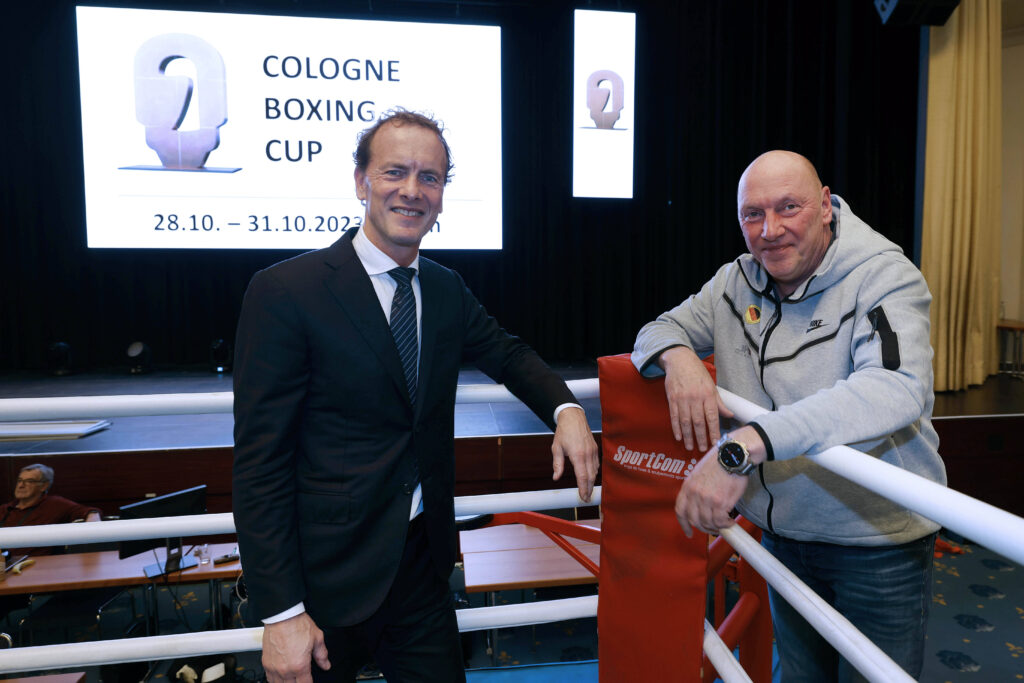
Prof. Dr. Jens Hadler comments on the performance of the German boxing team in Paris and assesses the changes in the world elite. In an interview, the DBV President also looks ahead to the 2028 Olympics – and the associated hopes for the international boxing association “World Boxing”. Hadler on …
… the German performance at the Olympics:
“First of all, we’re happy about the medal, which is a leap in quality after the Games in Tokyo 2021. But Magomed, Omid and Maxi also threw everything into it and fought to the end. That’s why I’m very grateful to all four of them. That also goes for their coaches and the great organizing team that stood behind them.
Of course, more medals would have been even better, and with a bit more luck, one or two others would have qualified for Paris. But from now on, we have to work hard to make 2028 even better. That is our declared goal.”
… the importance of the medal in terms of promotion:
“In the local model, an Olympic medal is extremely important, especially in terms of financial support for our squads. We’d rather be one of the sixteen associations that won something in Paris.”
… the reorganization at the top of the world:
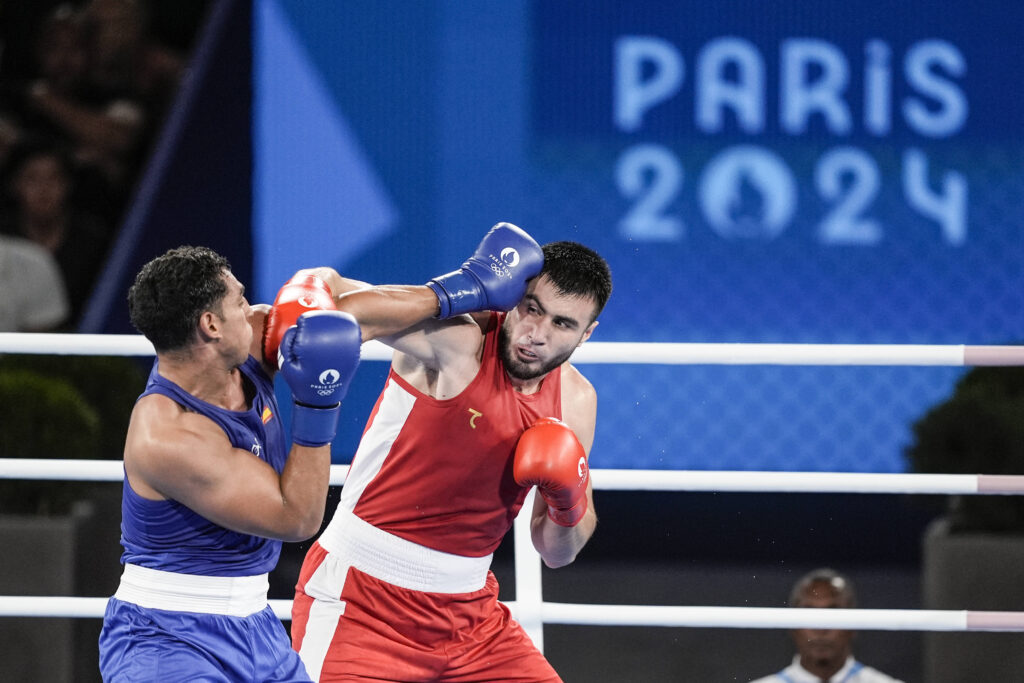
“A lot has changed up there. Cuba no longer dominates, but the Dominican Republic suddenly has two medals, and Cape Verde and Tajikistan have one each. Even the British team, for example, didn’t win more, where the standards are completely different.”
… Uzbekistan’s success with five gold medals:
“Boxing is a national sport there. The president likes boxing and there has been a massive push for promotion, especially since 2017. And when a system is so broadly designed for success, including through the corresponding infrastructure and financial resources, and it is not frequently called into question in the event of setbacks, this is what happens.”
… a review of the last Olympic cycle:
“We’re not going to do a 180-degree turnaround, but of course we have to question ourselves and readjust. To this end, there will be individual discussions and a closed meeting with the responsible coaches and base managers. We will then evaluate this in the board and ask ourselves crucial questions. For example, to what extent it makes sense to centralize the training of top athletes even more. Or how sports science and methodology can be anchored even better, from the individual bases right up to the national team. We are tackling this and more with an open mind.”
… the future of Olympic boxing:
“I am very confident that boxing will remain an Olympic sport, and then World Boxing is the only realistic prospect. Nevertheless, we should think about how we can make the next Olympic cycle even more attractive for our athletes. Boxing, training, career, quality of life: it should all fit together. As a matter of principle, we don’t refuse to accept professional fights, as long as it fits in with their individual plans. We have also opened up in this respect and have become much more flexible.”
… the recognition of World Boxing by the IOC:
“An appeal by the IBA is still pending at the Swiss Federal Court, so it won’t happen quite so quickly. But with everything that World Boxing is doing, the association has a good chance of convincing other countries. After all, there is no alternative when it comes to the Olympic perspective.”
Text: Frank Schwantes
More statements by Prof. Dr. Jens Hadler can be found in the interview on the DBV website.