An obituary for boxing legend George Foreman, who has died at the age of 76.
By Paul Frommeyer
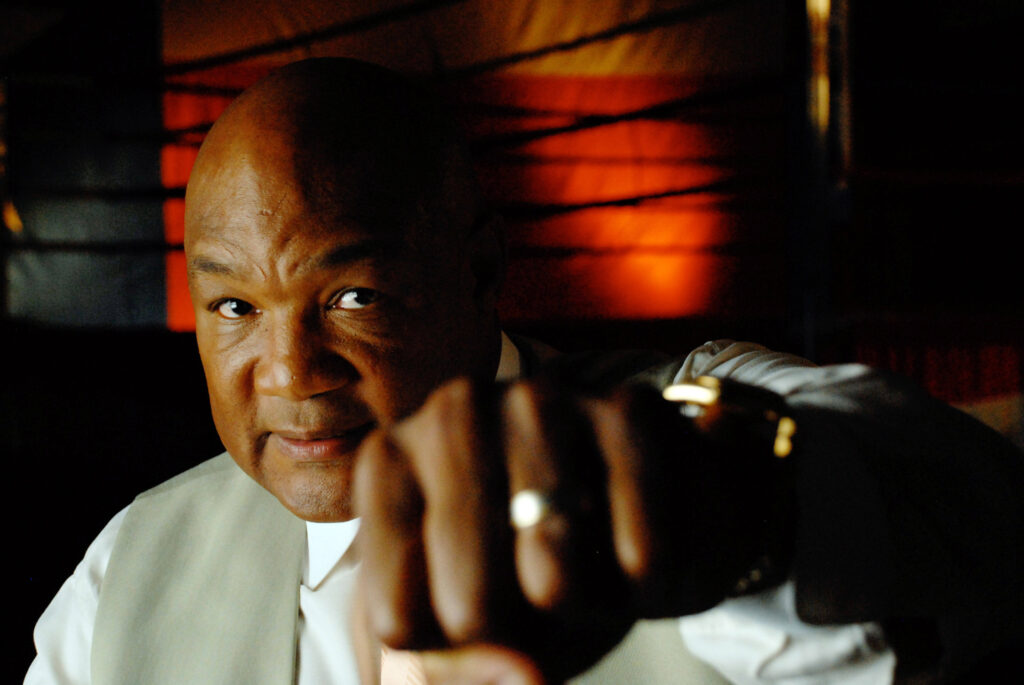
He stood in the shadow of the “Greatest” and at the same time was his sun, which gave Muhammad Ali the radiance that made him a unique legend in modern sporting history. Now George Foreman has died at the age of 76 – peacefully and surrounded by his family.
Obituaries around the world speak of a gentle man, and yet it was the brute force of his body that Foreman, aged 25, used to become world heavyweight boxing champion for the first time in January 1973 in a fight against Joe Frazier – after knocking the 1968 Olympic champion down six times in two rounds. From then on, Foreman was considered unbeatable without saying much about it himself. He was – at least at the time – a stoic outside the ring, going about his business and letting his fists do the talking with their enormous punching power.
Knockout in Kinshasa
He was respected, but what is respect against the power of a legend who was the opposite of the sportsman and man George Foreman: Muhammad Ali had been banned for three years (for refusing to do military service) and yet as a boxer who invented his very own dancing technique and as a loudmouth, frequent speaker and showman as well as a fighter for black rights, he was so very different from George Foreman.
“He was more than an athlete,” wrote the author Norman Mailer about Muhammad Ali when he met the unbeaten title holder George Foreman on October 30, 1974 for the “Rumble in the Jungle ” – as Ali apostrophized this “fight of the century” in Kinshasa, Zaire, in his trenchant manner.
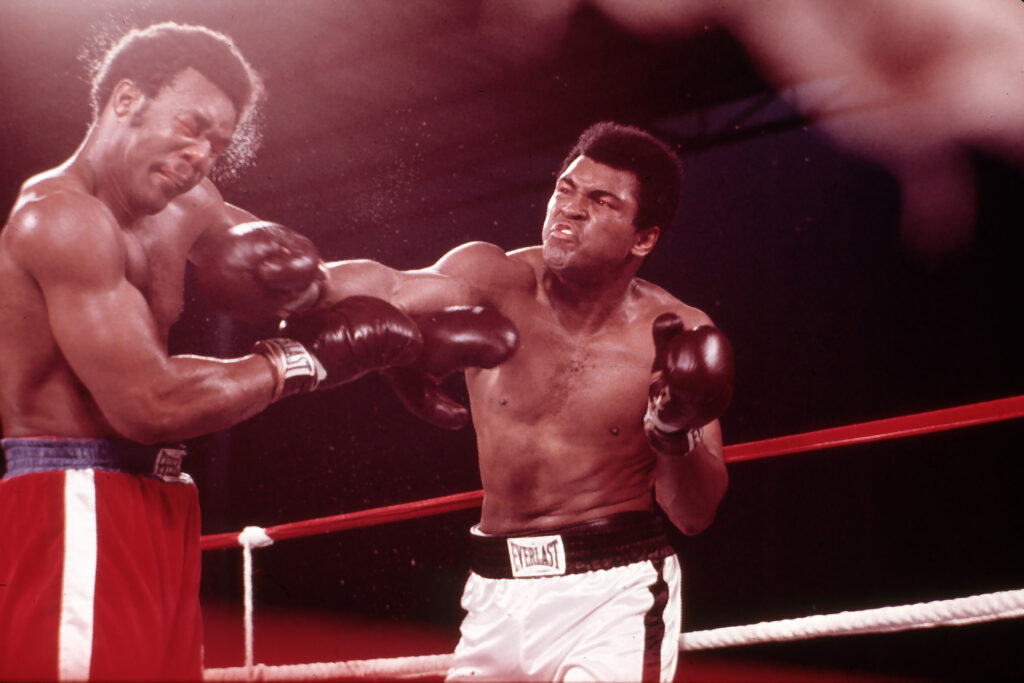
Mailer wrote an entire book (“The Fight”) about this fight, in which, under the eyes of an unleashed crowd chanting “Ali bumaye” – Ali kill him! – the archaic ritual of the boxing match was transformed into the noble art of self-defense. And in which superior strategy and the ability to suffer triumphed over the brute force of the favorite Foreman, who attacked round after round, exhausting himself more and more. The champion finally went down in the eighth round, hit in the face by a series of precise punches from Ali, and was counted out by the referee.
A shake of the head for the comeback
“Ali thought further than I did,” Foreman was later to say about this historic fight, after he ended his career soon afterwards, not yet 30 years old, at least for the time being.
He was past forty – Ali was already a sick man and yet still a king, albeit perhaps more of a tragic King Lear – when George Foreman declared his comeback in the early 1990s, which caused his contemporaries to shake their heads rather than take him seriously as a sportsman. Was Foreman just an old man who had not come to terms with his defeat to Ali? That was the view of the augurs at a time when it was not as common as it is today to swing your fists in the ring at an advanced age.
Rehabilitated at last
The heavyweight boxing champion at the time was a certain Michael Moorer, who has long been forgotten. Everything seemed to be going as expected on November 5, 1994 in Las Vegas, Moorer was soon well ahead on points. Then the tenth round. An offhand right from Foreman hit the lower jaw of the reigning world champion, who went down and never got back to his feet, making it little more than an episode in the history of this contradictory sport. At the age of 45, Foreman became the oldest heavyweight world champion of all time.
He was finally rehabilitated and was admired and honored, later earning a fortune selling barbecues. He was a gentle man who arrived, who helped others wherever he could. He was part of a generation of boxers who still moved people around the world.
But he will always be remembered for one defeat. The one against Muhammad Ali, who died in 2016, and Joe Frazier is also no longer alive. Foreman, who worked as a preacher for several years, was a man of faith who did not fear death.
Now, on March 21, he has passed away, as his family announced.