Max Schmeling would have been 119 years old today. We remember not only an exceptional athlete, but also a man who always remained true to his principles despite the adversities of his time.
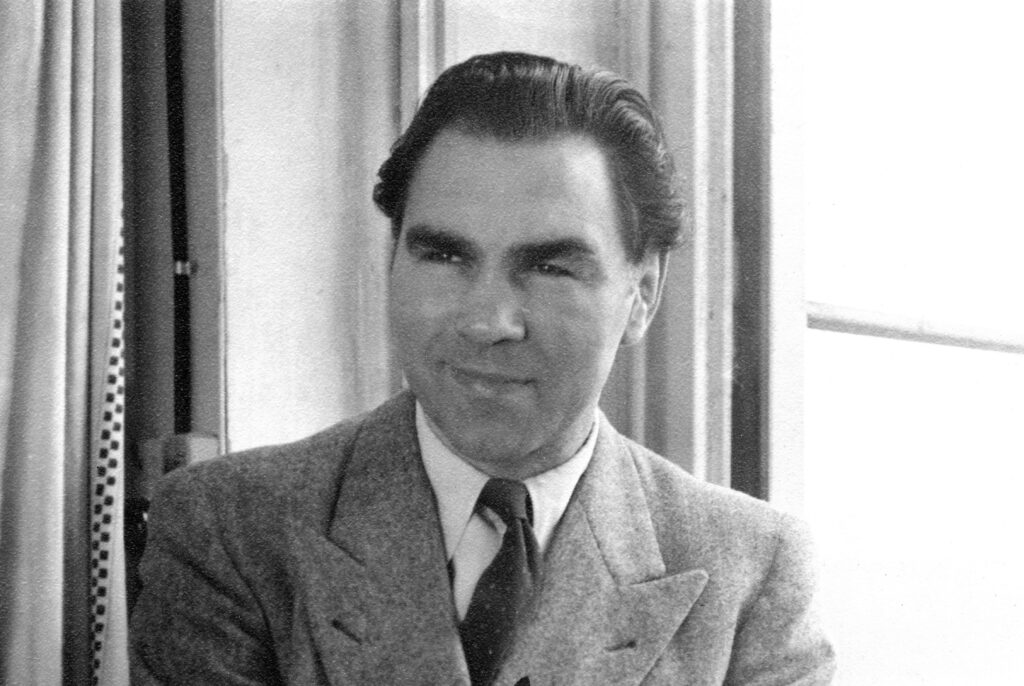
Max Schmeling was born on September 28, 1905 in Klein Luckow (Mecklenburg-Western Pomerania). Between 1930 and 1932, Schmeling reigned as world heavyweight champion before losing the title again in June 1932 to the American Jack Sharkey, against whom he won the 1930 world titles. Although the “Black Ulan from the Rhine” sensationally defeated Joe Louis by knockout in New York in 1936, he was unable to regain the world title until the end of his career in 1948. Germany’s boxing idol dies on February 2, 2005 at the age of 99 as a result of a severe cold.
Schmeling was not only one of the greatest sportsmen of his time, but also one of the most internationally renowned German personalities of the 20th century. His fight against Joe Louis went far beyond the boxing world and attracted worldwide attention, partly because the political situation at the time was characterized by tensions between the USA and Germany. Schmeling’s victory over Louis in 1936, which went down in history as one of the greatest underdog triumphs, made him a symbol of strength and resilience. But the rematch in 1938 showed the ruthlessness of the sport: Joe Louis won by knockout after just a few minutes – a defeat that hit Schmeling hard.
Standards and principles
Despite his sporting successes, Schmeling was always a person who set standards outside of the boxing ring. During the Second World War, he served as a parachutist for the Wehrmacht, but contrary to the wishes of the National Socialists, he always remained a detached and independent spirit. Schmeling refused to be co-opted by Nazi propaganda and even saved the Jewish children of his friend David Lewin from persecution in 1938 by hiding them in his apartment in Berlin – an act that only gained widespread recognition after his death.
After the war, Schmeling built a successful career as a businessman and worked for many years as a representative of the Coca-Cola Group in Germany. His modesty and tireless commitment to charitable causes, including numerous donations for children and social institutions, made him a national icon. He remained in the public eye well into old age, often as a wise and friendly elder statesman of German sport.
Text by Robin Josten